
As a small to medium-sized enterprise (SME) owner, navigating the ever-shifting landscape of online advertising can feel like trying to hit a moving target. You’ve likely seen success with platforms like Google Ads and Facebook Ads, but the digital world doesn’t stand still. What worked brilliantly last year might be less effective today. Staying informed about emerging trends isn’t just about keeping up; it’s about maintaining a competitive edge and ensuring your marketing budget is working as hard as possible for your business.
This year, several key online advertising trends are reshaping how businesses connect with their audiences. Understanding these shifts can help you refine your strategies, uncover new opportunities, and avoid costly missteps. Let’s dive into what you, as an SME owner, should be aware of.
The Rise of Short-Form Video Dominance
If you haven’t already embraced short-form video, now is the time. Platforms like TikTok have exploded in popularity, and Instagram Reels and YouTube Shorts are following suit. These bite-sized, engaging video formats are capturing audience attention like never before. For SMEs, this presents a golden opportunity to showcase products, tell brand stories, and engage with potential customers in a dynamic, authentic way.
Why it matters for SMEs: Short-form video is highly cost-effective for content creation compared to polished, long-form productions. It allows for raw, relatable content that can resonate deeply with younger demographics and increasingly, older ones too. Think behind-the-scenes glimpses, quick product demos, or user-generated content campaigns. For example, a local bakery could create a 15-second Reel showing the process of decorating a custom cake, set to trending audio. This kind of content can achieve significant organic reach and drive traffic to their website or physical store.
Actionable Insight: Don’t just post videos; make them interactive. Use polls within your Stories, run Q&A sessions in your Reels, and encourage user-generated content by creating branded hashtags. For instance, a small e-commerce store selling handmade jewelry might run a campaign asking customers to share videos of themselves wearing their favorite pieces using a specific hashtag. The best submissions could be featured on the brand’s official channels, fostering a sense of community and providing authentic social proof.
AI-Powered Personalization and Automation
Artificial Intelligence (AI) is no longer a futuristic concept; it’s a powerful tool actively shaping online advertising. AI algorithms are becoming incredibly sophisticated at analyzing vast amounts of data to understand consumer behavior, predict future actions, and automate campaign management. This means more personalized ad experiences for users and more efficient campaign execution for advertisers.
Why it matters for SMEs: AI can help you punch above your weight. Tools within platforms like Google Ads and Meta Ads (Facebook/Instagram) use AI for automated bidding strategies, dynamic creative optimization, and audience segmentation. This can lead to higher conversion rates and a better return on ad spend (ROAS) without requiring a dedicated AI expert on staff. For instance, an AI-powered system can automatically test different ad headlines and images for your Google Search campaign, showing the best-performing combinations to specific user segments based on their search intent and past behavior.
Actionable Insight: Leverage AI for audience expansion and retargeting. Instead of relying solely on narrow, manually defined audiences, explore ‘lookalike audiences’ on platforms like Facebook and Google. These AI-driven audiences allow you to find new customers who share similar characteristics with your existing best customers. A more advanced application is using AI to dynamically adjust ad creative and offers in real-time based on a user’s browsing history and predicted purchase intent. For example, if a user has repeatedly viewed a specific product on your website but hasn’t purchased, AI can trigger an ad showing that product with a small discount or highlighting a key benefit they might have missed.
The Continued Growth of Social Commerce
Social media platforms are evolving into full-fledged shopping destinations. Features like Instagram Shopping, Facebook Shops, and TikTok Shop allow users to discover, browse, and purchase products directly within the app, blurring the lines between social interaction and e-commerce.
Why it matters for SMEs: Social commerce significantly shortens the customer journey. Instead of seeing an ad, clicking to a website, navigating to a product page, and then checking out, customers can often complete the entire transaction with just a few taps. This frictionless experience can boost impulse purchases and improve conversion rates, especially for visually appealing products. A small boutique selling clothing can tag products in their Instagram posts and Stories, allowing followers to click and buy instantly without leaving the app.
Actionable Insight: Integrate your product catalog seamlessly with your social media profiles. Ensure your product images are high-quality and that pricing and availability are always up-to-date. Beyond just enabling direct purchases, use live shopping events. For example, a home decor store could host a live stream on Facebook or Instagram showcasing new arrivals, answering viewer questions in real-time, and offering exclusive discounts for attendees. This creates urgency and a direct connection with potential buyers.
Privacy-First Advertising and First-Party Data
With increasing privacy regulations (like GDPR and CCPA) and changes to tracking technologies (such as the deprecation of third-party cookies in browsers), the advertising landscape is shifting towards a more privacy-conscious approach. This puts a premium on first-party data – information you collect directly from your customers.
Why it matters for SMEs: While this might sound daunting, it’s actually an opportunity to build stronger relationships with your audience. By focusing on collecting first-party data ethically (e.g., through email sign-ups, loyalty programs, website interactions), you gain valuable insights into your customer base that are both accurate and privacy-compliant. This data can be used for highly targeted advertising and personalized marketing efforts.
Actionable Insight: Prioritize building your email list and CRM. Offer valuable lead magnets – like exclusive guides, discounts, or early access to products – in exchange for email addresses. Implement a robust CRM system to track customer interactions and preferences. For instance, if a customer buys a specific type of product from you, your CRM can flag this. You can then use this information to send them targeted emails about related products or offer them a special discount on their next purchase within that category. This is far more effective and compliant than relying on broad, third-party data segments.
The Importance of Omnichannel Consistency
Consumers interact with brands across multiple touchpoints – social media, search engines, email, websites, and even offline. For effective advertising, it’s crucial that your message and brand experience are consistent across all these channels.
Why it matters for SMEs: An omnichannel approach ensures a cohesive customer journey. A potential customer might see your ad on Facebook, search for you on Google, visit your website, and then receive a follow-up email. If the messaging, branding, and offers are consistent throughout this journey, it builds trust and significantly increases the likelihood of conversion. For example, a software company running Google Ads for a free trial should ensure their landing page and subsequent email follow-ups clearly reflect the same value proposition and call to action.
Actionable Insight: Map out your customer journey and identify key touchpoints. Ensure your ad creatives and landing pages are aligned. Use UTM parameters consistently in your campaign URLs to track performance across different channels and campaigns within your analytics. A practical example is ensuring that if you’re promoting a specific seasonal sale via Google Ads, that same sale is prominently featured on your website homepage, in your email newsletter, and in any social media posts during that period. This unified front reinforces your message and maximizes impact.
Staying Ahead in a Dynamic Market
The world of online advertising is constantly evolving. Trends like short-form video, AI-driven personalization, social commerce, privacy-first data strategies, and omnichannel consistency are not just buzzwords; they represent fundamental shifts in how businesses can and should reach their target audiences. For SMEs, adapting to these changes is key to sustained growth and competitive advantage.
Navigating these trends effectively requires a strategic approach and a deep understanding of your audience and the platforms you use. If you’re looking to harness the power of these trends to drive meaningful results for your business, but aren’t sure where to start, we’re here to help. Contact AdsFly Agency today for a no-obligation consultation, and let’s discuss how we can tailor a winning online advertising strategy for your specific needs.
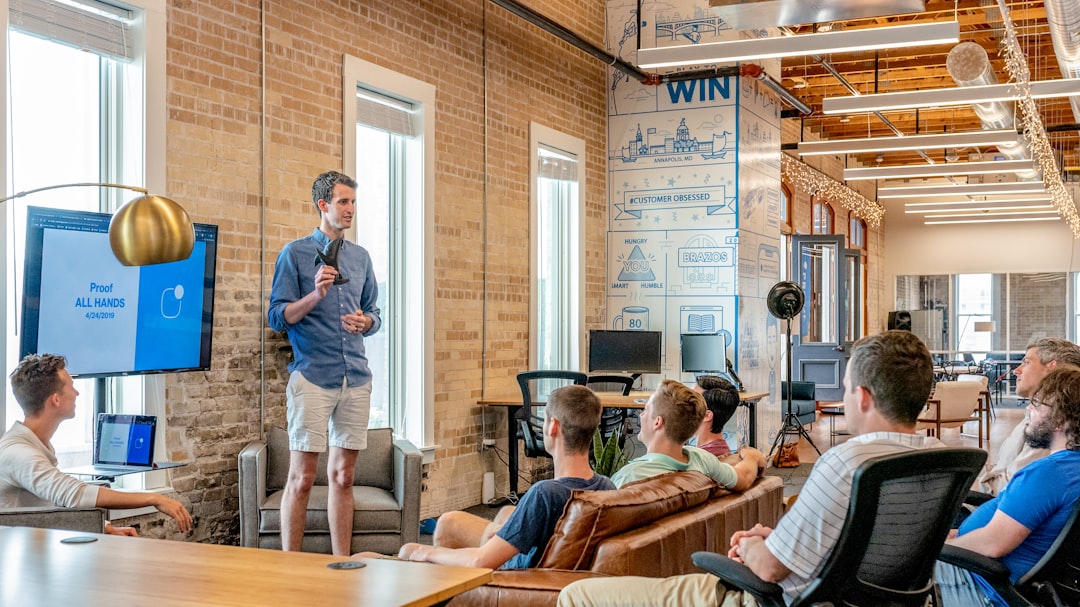
Photo by KOBU Agency on Unsplash